Destination briefing
Why travelers stop here
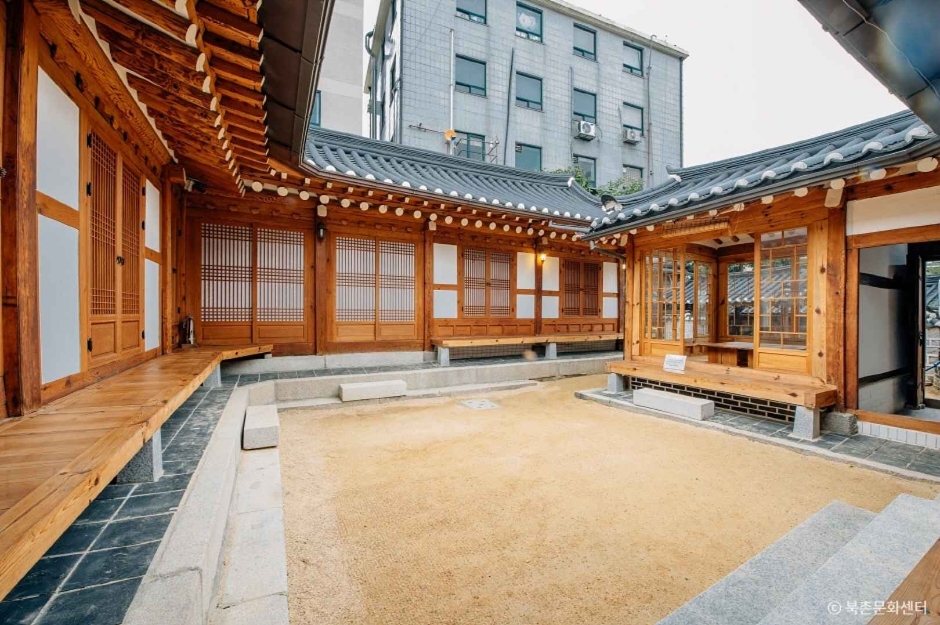
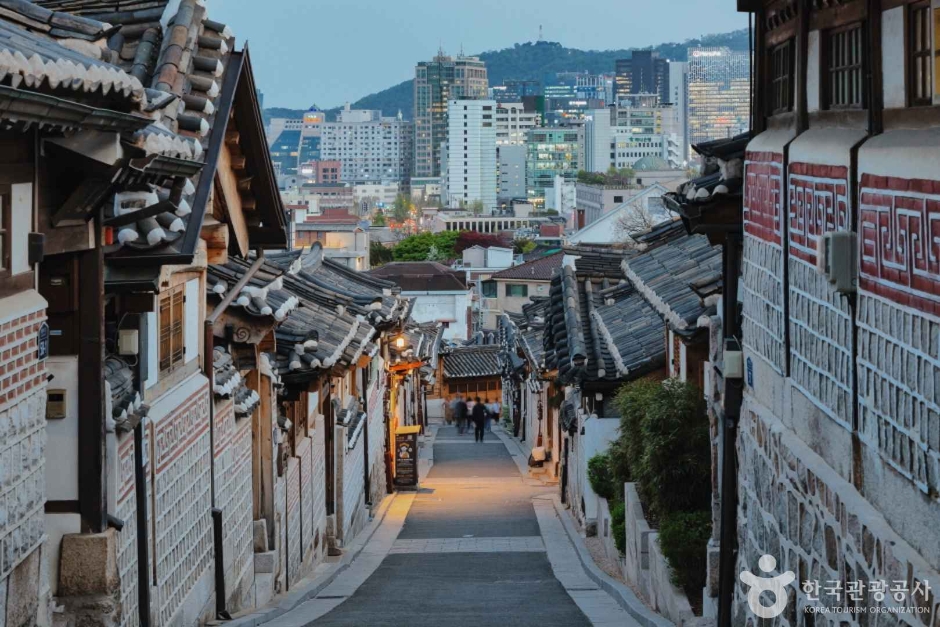
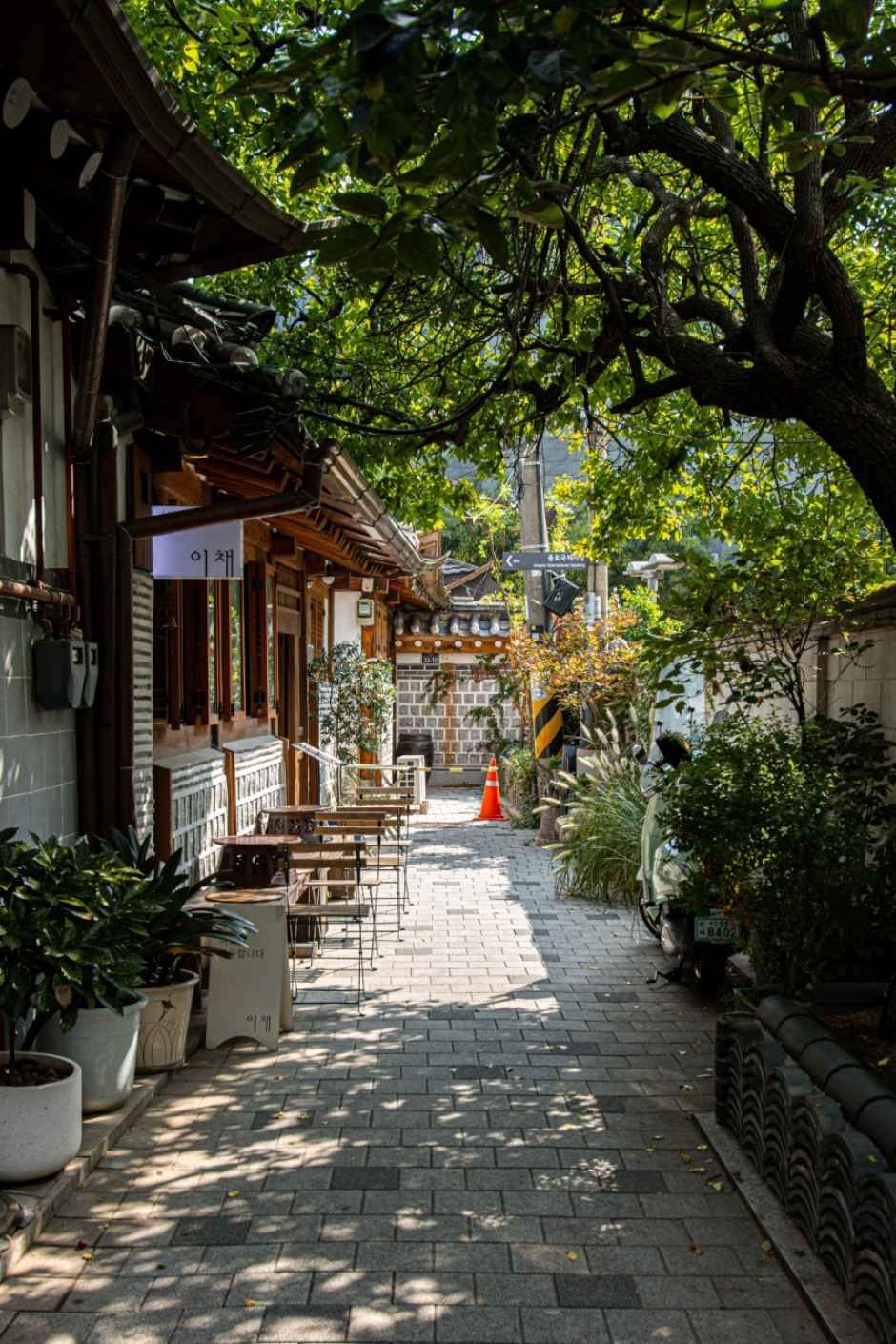
Bukchon is a representative traditional residential area in Seoul, located between Gyeongbokgung Palace, Changdeokgung Palace, and Jongmyo Shrine, where traditional hanok houses are densely concentrated. It is also called an 'outdoor museum in the city' due to its many historic sites, cultural properties, and folk materials. The name 'Bukchon' (North Village) originated from its location above Cheonggyecheon Stream and Jongno, and it includes Gahoe-dong, Songhyeon-dong, Anguk-dong, and Samcheong-dong. In Sagan-dong, Gye-dong, Sogyeok-dong, and Jae-dong, traces of history remain in the neighborhood names, preserving them for hundreds of years.
Bukchon was a residential area for the yangban (aristocratic) class during the Joseon Dynasty and saw little change until the 1920s. However, in the 1930s, as Seoul's administrative districts expanded and the urban structure modernized, changes occurred. Housing management companies purchased large plots and forested areas in Bukchon and collectively built medium and small-sized hanok houses there. The hanok residential areas currently concentrated at Gahoe-dong 11 and 31, Samcheong-dong 35, and Gye-dong 135 were all formed during this period. It is noteworthy that Bukchon's hanok houses, which used new materials such as glass doors on the daecheong (main hall) and corrugated iron eaves attached to the roof, evolved into a new urban housing type by adapting to the modern urban fabric while retaining the typological characteristics of traditional hanok.
OTA-ready stop
Built into inbound routes and day-tour planning.
Local context
서울특별시 종로구 계동길 37 (계동)
Travel fit
Attraction · Seoul


![[Early bird] Elysian Gangchon Ski & Snowboard Gugok Ice Wall Tour](/_next/image?url=https%3A%2F%2Fadmin.holidaykr.com%2Fapi%2Fadmin%2Fsystem%2Fbasic-settings%2Ffavicon%3Fpath%3D%252Fuploads%252Fproducts%252Fthumbs%252F750_1792085658746_file1.webp&w=3840&q=75)