Destination briefing
Why travelers stop here
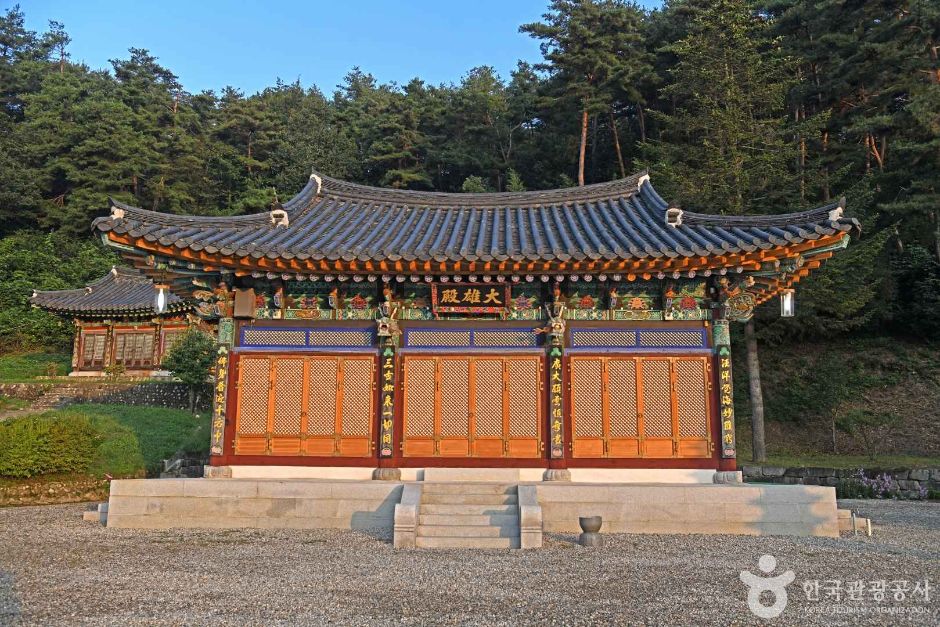
Hyanggyo were public educational institutions of the Goryeo and Joseon dynasties, established to enshrine memorial tablets of great Confucian scholars, conduct ancestral rites, and provide education and moral cultivation for local residents. Founded in 1420, Ganseong Hyanggyo was relocated to Gyodong-ri in 1546 and was destroyed during the Japanese invasion of 1592 (Imjin War). In 1640, County Magistrate Shin In-won rebuilt the Myeongnyundang (lecture hall), and in 1850 it was moved to its current location at the foot of Gubongsan Mountain. Destroyed again during the Korean War (6·25 War), it was rebuilt in 1954. The east and west auxiliary shrines (Dongmu and Seomu) were completed in 1978, the Daeseongjeon (main shrine) in 1980, and interior repairs of the entire building complex were finished in 1981. Existing structures include Daeseongjeon, Dongmu, Seomu, Myeongnyundang, Dongjae (east dormitory), and Seojae (west dormitory). Inside Daeseongjeon are enshrined the memorial tablets of Chinese Confucian scholars and the 18 sages of Korea.
During the Joseon period, the state provided land, slaves, and books, and instructors taught students. Today, the educational function has ceased, but rituals such as Seokjeon (spring and autumn rites) are performed, and incense is offered on the first and fifteenth days of each lunar month. One headmaster (Jeongyo) and several stewards (Jang-ui) manage the operation. This hyanggyo is designated as a Gangwon-do Cultural Heritage Material.
OTA-ready stop
Built into inbound routes and day-tour planning.
Local context
강원특별자치도 고성군 간성읍 진부령로 2659
Travel fit
Attraction · Gangwon-do

![[Early bird] Elysian Gangchon Ski & Snowboard Gugok Ice Wall Tour](/_next/image?url=https%3A%2F%2Fadmin.holidaykr.com%2Fapi%2Fadmin%2Fsystem%2Fbasic-settings%2Ffavicon%3Fpath%3D%252Fuploads%252Fproducts%252Fthumbs%252F750_1792085658746_file1.webp&w=3840&q=75)