Destination briefing
Why travelers stop here
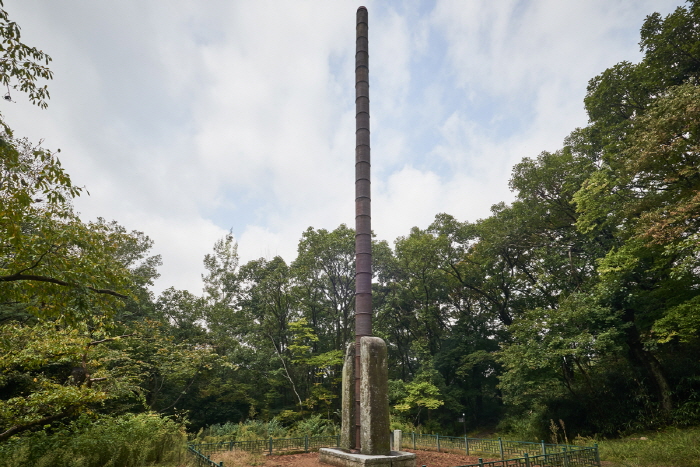
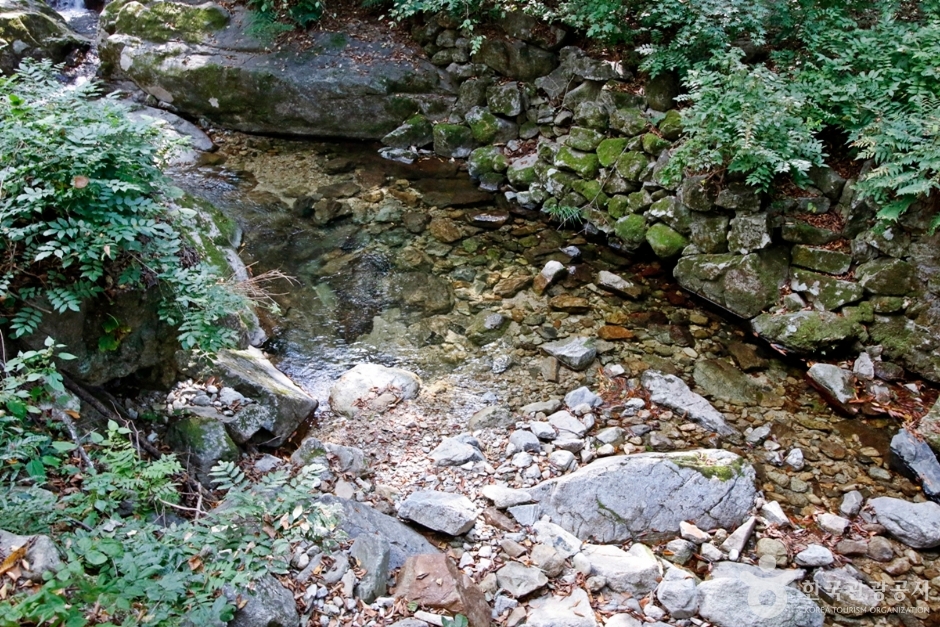
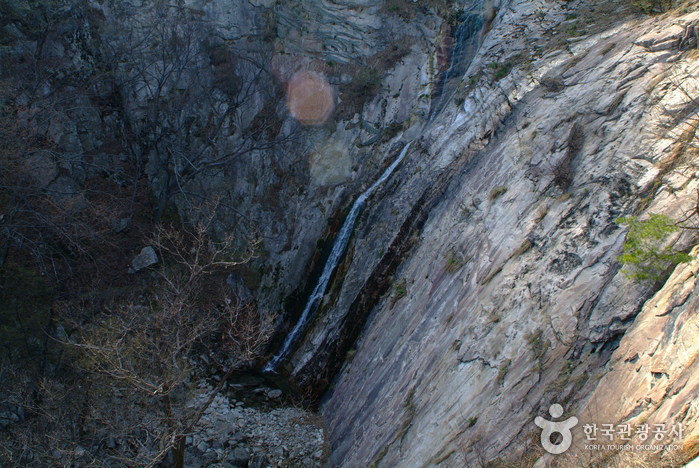
Gapsa Temple is a renowned temple located on the northwestern slope of Gyeryongsan Mountain within Gyeryongsan National Park in Gongju-si. It was one of the ten major Hwaeom sect temples of the Unified Silla period. The temple is surrounded by dense forests of old pine and zelkova trees, and has long been famous for its beautiful autumn foliage, as reflected in the saying 'Spring in Magoksa, Autumn in Gapsa.' The temple was first founded in 420 AD, the first year of King Guisin of Baekje, by the monk Ado from Goguryeo. Gapsa Temple has been known by various names such as Gyeryong Gapsa, Gapsa, Gapsasa, and Gyeryongsa. Among these, the name 'Gapsa' is said to derive from the meaning 'the best (甲) among heaven, earth, and people.' During the Joseon Dynasty, despite the policy of promoting Confucianism and suppressing Buddhism, Gapsa Temple was exempted and instead received royal patronage, even producing woodblocks for the 'Worin Seokbo.' The temple was completely destroyed by fire during the Japanese invasions of 1597 (Jeongyu Jaeran) but was rebuilt starting in 1604 (the 37th year of King Seonjo's reign) with the reconstruction of Daeungjeon and Jinhae Hall, continuing to the present day. Thanks to this history, the temple still preserves various valuable cultural assets. Around the temple, scenic attractions such as Yongmun Waterfall, Sujeongbong Peak, Cheonjin Botap Pagoda, and Gunjadae Rock are lined up, and the southern valley in particular forms the so-called Nine Valleys, renowned for its spectacular scenery. The general public can participate in Buddhist ceremonies and temple stay programs held at the temple.
Address: 567-3 Gapsa-ro, Gyeryong-myeon, Gongju-si, Chungcheongnam-do
OTA-ready stop
Built into inbound routes and day-tour planning.
Local context
충청남도 공주시 계룡면 갑사로 567-3
Travel fit
Attraction · Chungcheongnam-do