Destination briefing
Why travelers stop here
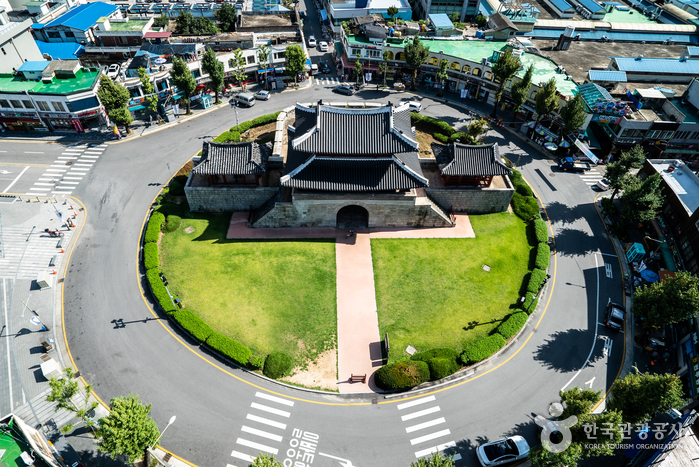
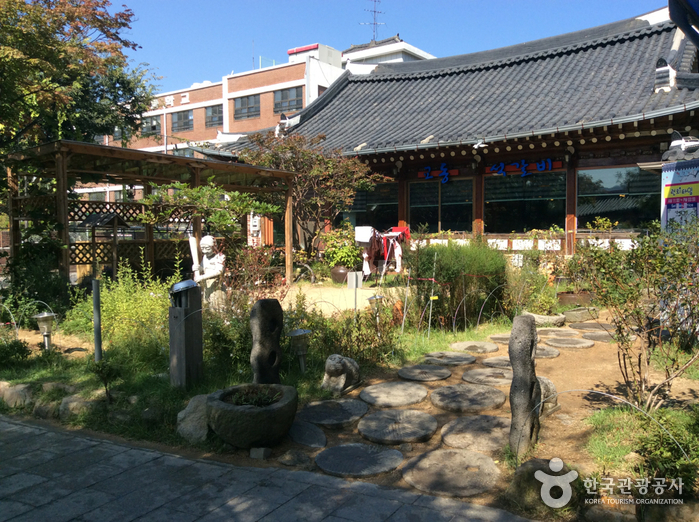
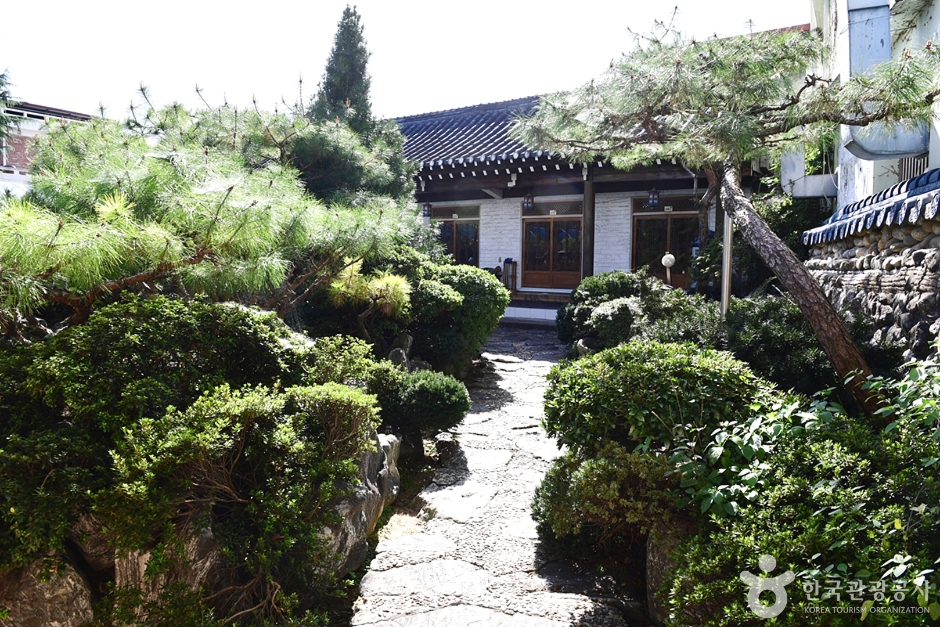
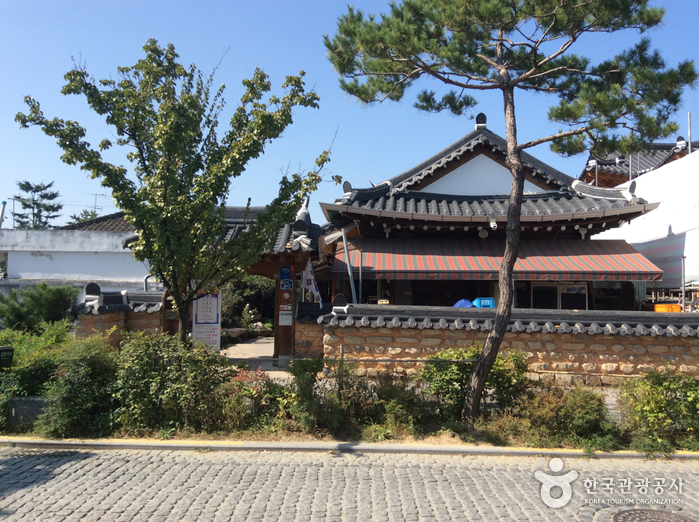
Gyeonggijeon is a building constructed in the 10th year of King Taejong (1410) to enshrine the portrait of King Taejo, the founder of the Joseon Dynasty, and to hold ancestral rites. The places where the royal portraits were kept in Jeonju, Gyeongju, and Pyongyang were initially called 'Eoyeongjeon.' In the 12th year of King Taejong (1412), they were referred to as 'Taejo Jinjeon,' and in the 24th year of King Sejong (1442), Jeonju was called Gyeonggijeon, Gyeongju was called Jipgyeongjeon, and Pyongyang was called Yeongsungjeon. Gyeonggijeon was destroyed during the Jeongyu War in the 30th year of King Seonjo (1597) but was rebuilt in the 6th year of King Gwanghaegun (1614). Gyeonggijeon consists of a 'Hamabi' (a stone monument indicating that everyone must dismount from their horse as a sign of sanctity), a red-painted 'Hongsalmun' (gate), 'Oesinmun' (outer gate), 'Naesinmun' (inner gate), and the main hall 'Jeongjeon' where the royal portrait is enshrined. Considering it is a royal shrine, it is called 'Sinmun' (spirit gate), and when passing through the three gates inside the Hongsalmun—the outer and inner gates—one must follow the rule of 'Dongip Seochul,' meaning entering from the east (right) and exiting from the west (left). This is because the center path is the 'Sindo' (spirit path) used by the spirit of King Taejo. Gyeonggijeon holds great significance as it enshrined the portrait of King Taejo Yi Seong-gye of Joseon and also housed the Jeonju History Archives (Sago). The archives were established at Gyeonggijeon in 1439 (the 21st year of King Sejong). Within the grounds, there is Gyeonggijeon (Tangible Cultural Heritage) enshrining the portrait of King Taejo, and Jogyeongmyo (Tangible Cultural Heritage) enshrining the spirit tablets of his 22nd-generation ancestor and the founder of the Jeonju Yi clan, Yi Han (Sagonggong), and his wife. Notably, the Royal Portrait Museum, which houses the existing portraits of the Joseon Dynasty along with the portrait of King Taejo (National Treasure), is also located here. One of the reasons Gyeonggijeon has long been loved by tourists and citizens is its quaint appearance amidst the city center and its lush trees. Gyeonggijeon features various species of trees.
(Source: Jeonju City Culture and Tourism Website)
OTA-ready stop
Built into inbound routes and day-tour planning.
Local context
전북특별자치도 전주시 완산구 태조로 44 (풍남동3가)
Travel fit
Attraction · Jeollabuk-do