Destination briefing
Why travelers stop here
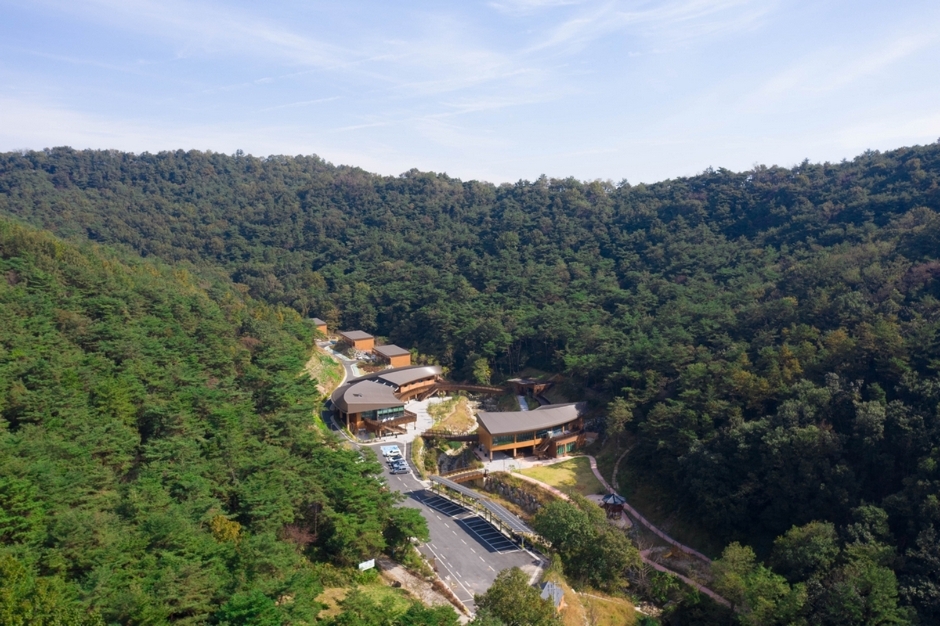
Gyeonghyeon Seowon is the largest seowon (Confucian academy) in Naju and enshrines many figures representing Joseon Confucianism. It is the first seowon to receive a royal charter (saek) in Naju. This site is an important relic showing the cause and development of the Eulmi Oksa (Eulmi Incident) in the Naju area during the 16th and 17th centuries. In 1583 (the 16th year of King Seonjo's reign), local Confucian scholars built a shrine under Geumseong Mountain to commemorate the scholarship and virtue of Kim Goeng-pil, enshrining his spirit tablet. In 1589 (the 22nd year of King Seonjo's reign), four additional scholars—Jeong Yeo-chang, Jo Gwang-jo, Yi Eon-jeok, and Yi Hwang—were enshrined together, making it Oheon Seowon (Five Sages Seowon). It was destroyed during the Japanese invasions of Korea (Imjin War) but was rebuilt through the joint efforts of Mok Jang-heum and local Confucian scholars. The following year, in 1609 (the 1st year of King Gwanghaegun's reign), it was granted the royal charter name 'Gyeonghyeon' following a petition by Kim Seon and others. In 1693 (the 19th year of King Sukjong's reign), Ki Dae-seung and Kim Seong-il were additionally enshrined, bringing the total to seven sages. It served the roles of honoring former sages and local education, but was demolished in 1868 (the 5th year of King Gojong's reign) under the seowon abolition policy of Heungseon Daewongun. It was restored at this location in 1977 by Confucian scholars of Jeollanam-do. The buildings within the grounds include a three-bay shrine (sau), a gate (sinmun), east and west side gates, a four-bay lecture hall (gangdang), an outer triple gate (oesammun), and a four-bay storage building (gosa). Address: Yeongpyeong-ri, Noan-myeon, Naju-si, Jeollanam-do
OTA-ready stop
Built into inbound routes and day-tour planning.
Local context
전라남도 나주시 노안면 영평리
Travel fit
Attraction · Jeollanam-do