Destination briefing
Why travelers stop here
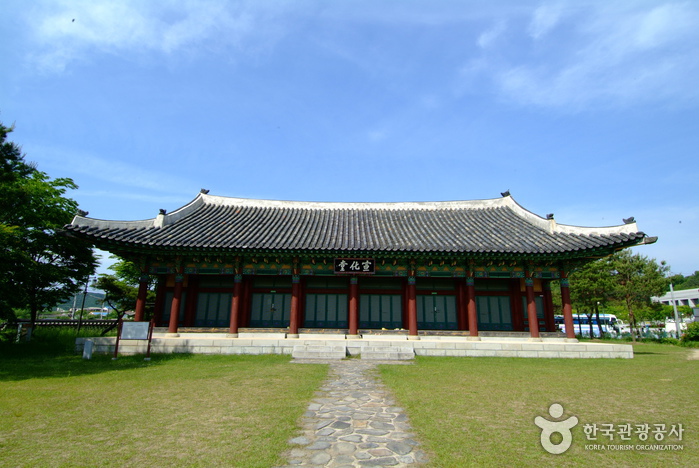
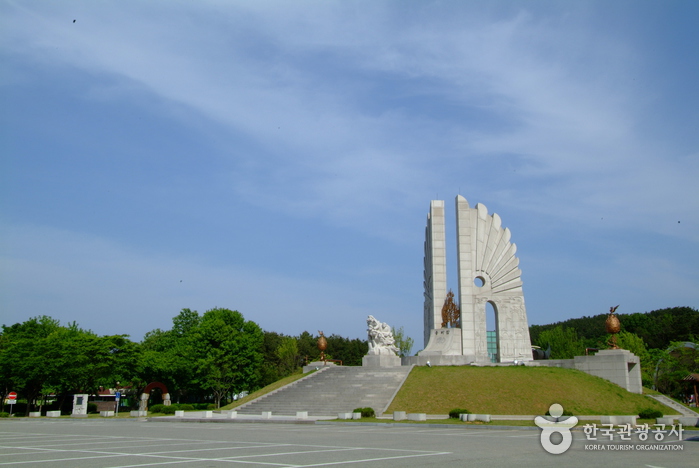
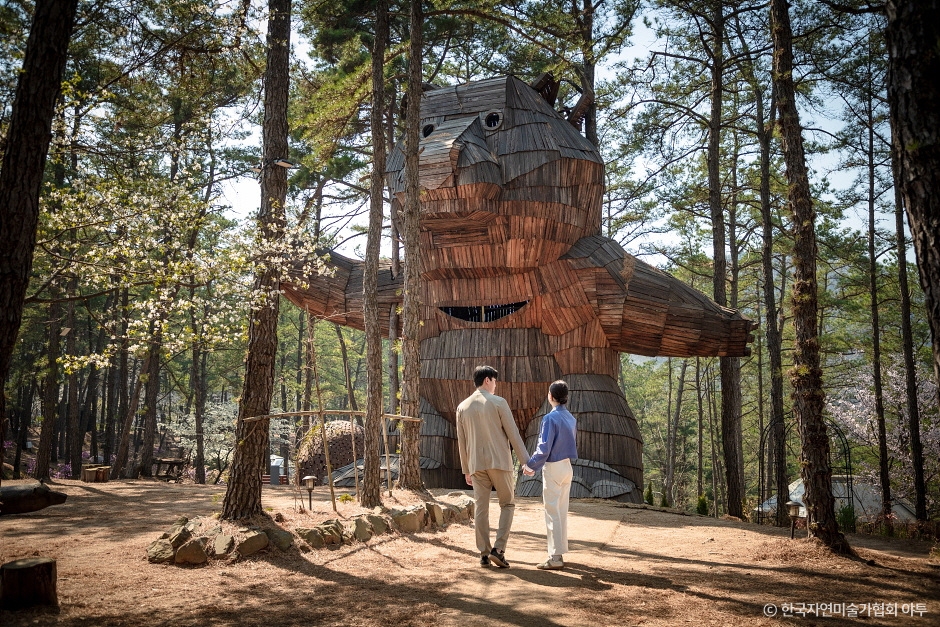
Gomanaru is a historic site in the Ungjin-dong area of Gongju, steeped in a legend involving a bear and a human. It refers to the low hills stretching west of the Baekje King Muryeong's Tomb, including Yeonmi Mountain, and the ferry area along the Geumgang River. Gomanaru is the old name for Gongju, with 'Goma' being an archaic term for 'bear,' written in Chinese characters as Ungjin (熊津). During the reign of King Sinmun of Silla, it was called Ungcheonju, and under King Gyeongdeok, Ungju. In 940, during the reign of King Taejo of Goryeo, it was renamed Gongju, a name that continues to this day.
It served as the transportation route for King Munju of Baekje when he moved the capital to Ungjin, and was where the Tang general Su Dingfang camped while advancing up the Geumgang River to attack Baekje. After the fall of Baekje, the Ungjin Commandery was established here, making it a central stage of Baekje history and an international transportation gateway. Additionally, the site of Ungjindan, where rituals were held for the god of the Geumgang River, remains. As a living space for commoners and a waterway, it holds great historical value. Gomanaru is not only historically significant but also a scenic spot where a wide sandy beach along the Geumgang River and a pine grove of over 450 trees harmonize with the river and Yeonmi Mountain, creating a beautiful landscape.
OTA-ready stop
Built into inbound routes and day-tour planning.
Local context
충청남도 공주시 백제큰길 2045
Travel fit
Attraction · Chungcheongnam-do