Destination briefing
Why travelers stop here
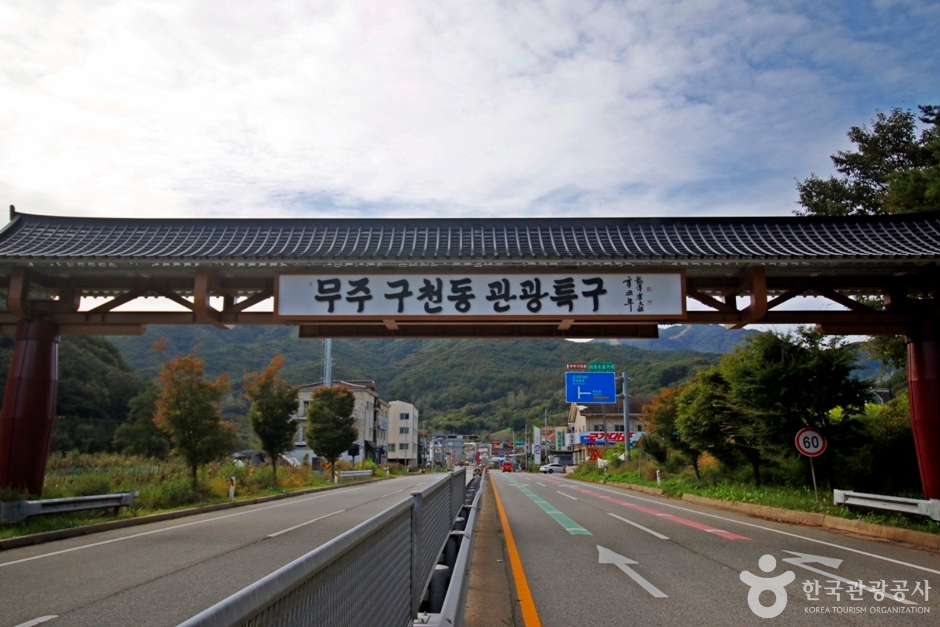
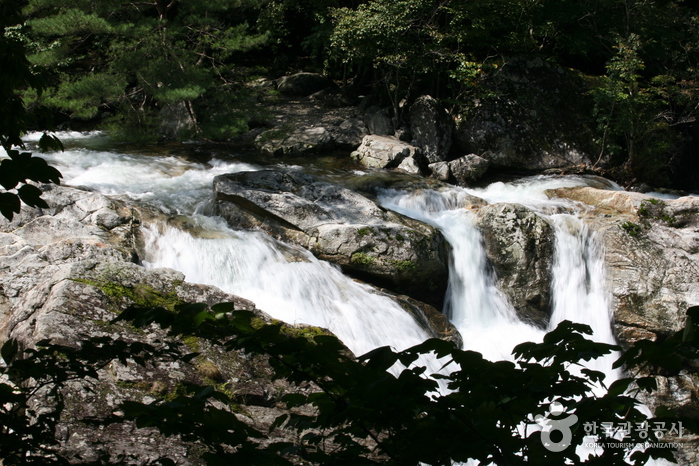
Deogyusan National Park, extending south from the Sobaek Mountains, spans across 2 provinces (Jeonbuk and Gyeongnam) and 4 counties. It was designated as the 10th national park in 1975. Named Deogyusan, meaning 'mountain of abundant virtue and generosity,' it is the fourth highest mountain in South Korea (1,614m), with high conservation value for its subalpine ecosystem, attracting over 1.5 million visitors annually. From the Naje Tongmun Gate in Seolcheon-myeon, Muju-gun, to Hyangjeokbong Peak, the 36km valley area features 13 terraces, about 10 ponds, and numerous waterfalls, including the 33 scenic spots of Muju Gucheondong, as well as breathtaking views from Yongchu Falls to Chiryeon Falls.
Numerous historical sites such as Jeoksangsanseong Fortress (Historic Site) and the Gwaebul (hanging painting) of Anguksa Temple (Treasure) are scattered throughout, along with rare yew tree groves, adding to the scenic beauty. The area hosts a diverse range of 1,623 animal species and 1,067 plant species, creating a spectacular landscape. In spring, the azaleas are particularly famous, and the cool valleys of Gucheondong are ideal summer retreats. In summer, the daylily colonies on Deogyupyeongjeon create a stunning sight, while autumn foliage and winter snowscapes showcase nature's wonders. Historic sites include Naje Tongmun Gate, Jeoksangsanseong Fortress, and Hoguksa Temple site, along with temples such as Anguksa, Baeknyeonsa, Wontongsa, Songgyesa, and Inwoldam. Deogyudae Campground, located in the heart of the 33 scenic spots of Gucheondong, is the largest campground in any national park and a pride of Deogyusan National Park.
OTA-ready stop
Built into inbound routes and day-tour planning.
Local context
전북특별자치도 무주군 설천면 구천동1로 159
Travel fit
Attraction · Jeollabuk-do