Destination briefing
Why travelers stop here
Located on the 8th ridge of Mt. Maneosan (elevation 674m), Maneosa Temple is a traditional temple that supports the theory of Buddhism's southern introduction to Korea, with records in the Samguk Yusa stating it was founded by King Suro of Geumgwan Gaya. It holds many legends and mysterious phenomena. This site was used for rain rituals during prolonged droughts and was said to be efficacious. According to the Sejong Sillok Jiriji, it was passed down as a place where Silla kings offered prayers to Buddha.
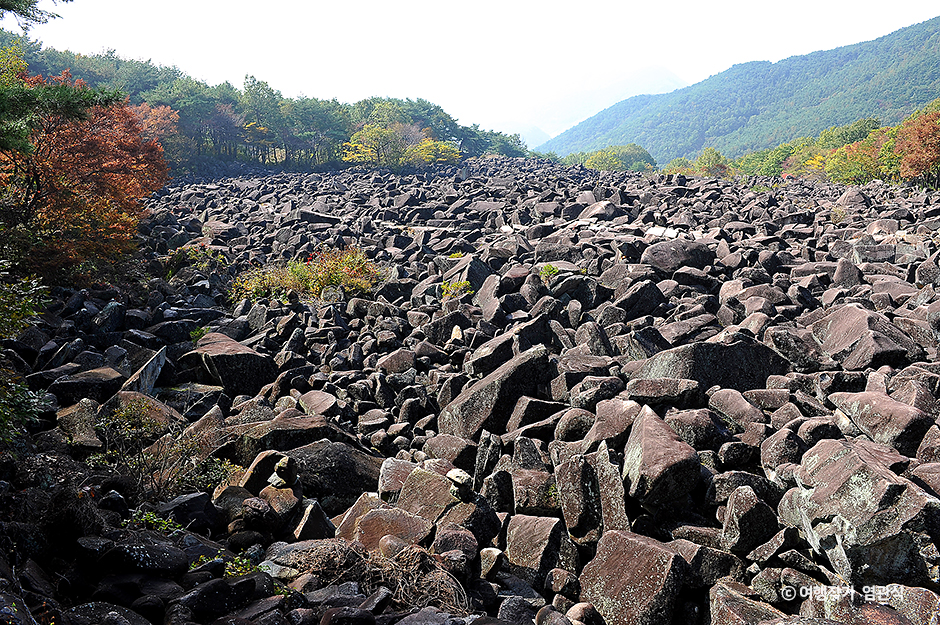
According to the Samguk Yusa, the temple was first established in the 10th year of King Myeongjong of Goryeo (1180), and a three-story stone pagoda was erected. The Samguk Yusa Tap-sang-pyeon contains records related to the founding of Maneosa Temple. In a pond called Okji in the Yangsan area, a solitary dragon and five evil spirits consorted together, destroying the crops that farmers had painstakingly cultivated and causing all sorts of mischief. King Suro tried to eliminate them with incantations but failed, so he requested the Buddha's teachings and made them receive the Five Precepts. At that time, countless fish and dragons from the East Sea, moved by the Dharma, gathered in this mountain and turned into stones, which produced a mysterious sound of a gyeong (stone chime). To commemorate this, King Suro founded the temple and named it Maneosa, meaning 'temple of the fish that turned to stone under the influence of the Dharma.' Even today, striking the stones in front of Maneosa Temple produces a clear sound, so they are called Jongseok (bell stones) and are designated as a Gyeongsangnam-do Monument.
OTA-ready stop
Built into inbound routes and day-tour planning.
Local context
경상남도 밀양시 삼랑진읍 만어로 776
Travel fit
Attraction · Gyeongsangnam-do