Destination briefing
Why travelers stop here
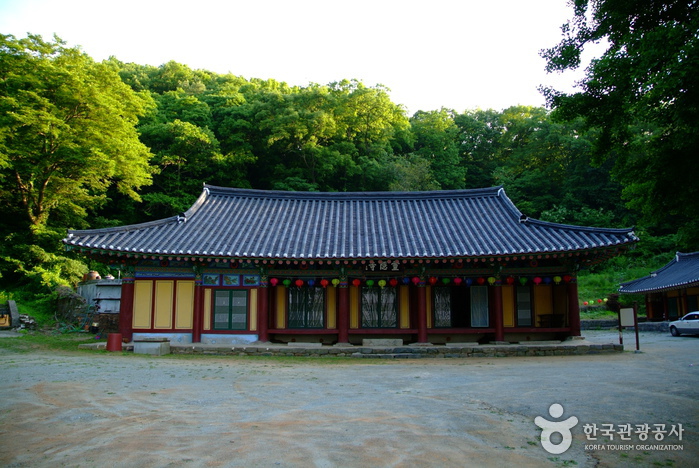
Established in 1490 (the 21st year of King Seongjong) by local Confucian scholars to commemorate the loyalty and virtue of Yi Myeong-seong and Yi Myeong-deok, it was originally built in Geumnam-myeon, Yeongi-gun, where their memorial tablets were enshrined. Upon its founding, it was granted the name 'Myeongtan' (鳴灘) by royal decree, serving both to honor former sages and to contribute to local education. It was destroyed during the Japanese invasions of Korea (Imjin War) and was relocated and restored to its current site in 1731 (the 7th year of King Yeongjo). Later, it was demolished in 1871 (the 8th year of King Gojong) under the seowon abolition policy of Heungseon Daewongun, and was restored by descendants in 1955 after Korea's liberation. The complex includes a three-bay shrine, an eight-bay combined ritual house and lecture hall, a six-bay guardian house, and a main gate with a central spirit gate and side gates. The shrine houses the memorial tablets of Yi Myeong-seong and Yi Myeong-deok. The combined ritual house and lecture hall serves as a meeting place for Confucian scholars and lodging for ritual officials during ceremonies, while the guardian house is used for storing ritual utensils and as lodging for the caretaker. Rituals are held annually on March 5th and September 5th, with offerings consisting of seven bamboo baskets and seven wooden vessels. The property includes approximately 1,800 pyeong of rice paddies and 1,300 pyeong of land.<br>Address: 48, Myeongtanseowon-gil, Wolseong-dong, Gongju-si, Chungcheongnam-do
OTA-ready stop
Built into inbound routes and day-tour planning.
Local context
충청남도 공주시 명탄서원길 48 (월송동)
Travel fit
Attraction · Chungcheongnam-do