Destination briefing
Why travelers stop here
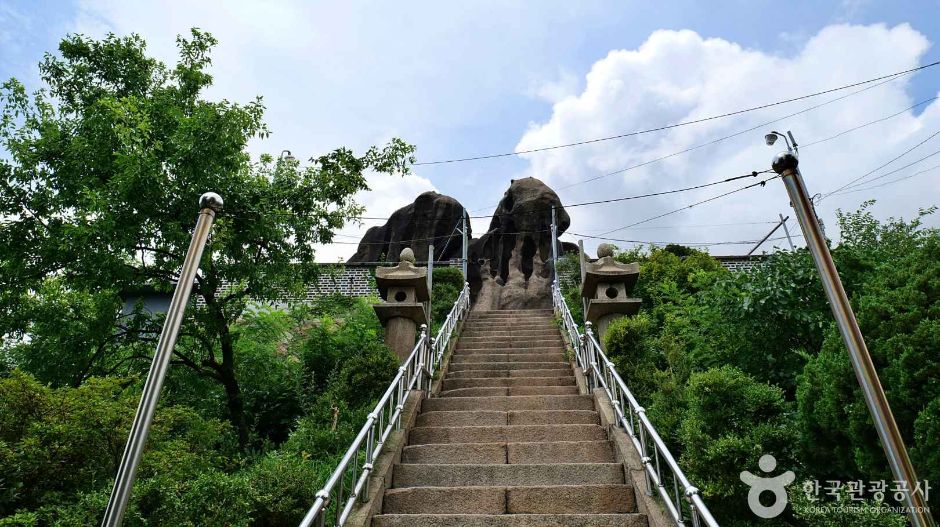
According to the Annals of the Joseon Dynasty, there is a record that King Taejo met Monk Josaeng at Inwangsa Temple, indicating that the temple was founded no later than 1397 under King Taejo's patronage. The founders were Great Master Muhak and Seon Master Josaeng. It is said that on the first and fifteenth days of every lunar month, a Buddhist service was held at Naewondang, and the lecture was on the Sutra of Benevolent Kings (Inwang Geumgang Banya Baramil Gyeong). During the reign of King Sejong, the mountain was named Inwangsan and the temple was called Inwangsa, with the intention of protecting the Joseon Dynasty. However, during the reign of King Yeonsangun, because the temple was visible from the palace, Inwangsa, along with Bokseam and Geumganggul, was abolished. Later, it was restored and maintained for a considerable period, but it was destroyed during the Japanese invasions of Korea (Imjin War), leaving only the temple site. Afterwards, around 1910, centered around Seonbawi (Zen Rock), Layman Park Seon-mul built Seonam Jeongsa, which was succeeded by Monks Seoong, Tanong, Jain, and Daewon. They built Daewonam, Bogwangjeon, Gwaneumjeon, and Geungnakjeon, and devoted themselves to ascetic practice. In 1942, it was incorporated as a branch temple of Bongeunsa Temple of the Jogye Order. In 1977, five halls and land within Inwangsa were donated to the temple, and in 1988, it was designated and registered as a traditional temple, Inwangsa.
OTA-ready stop
Built into inbound routes and day-tour planning.
Local context
서울특별시 종로구 통일로18가길 16-1 (무악동)
Travel fit
Attraction · Seoul