Destination briefing
Why travelers stop here
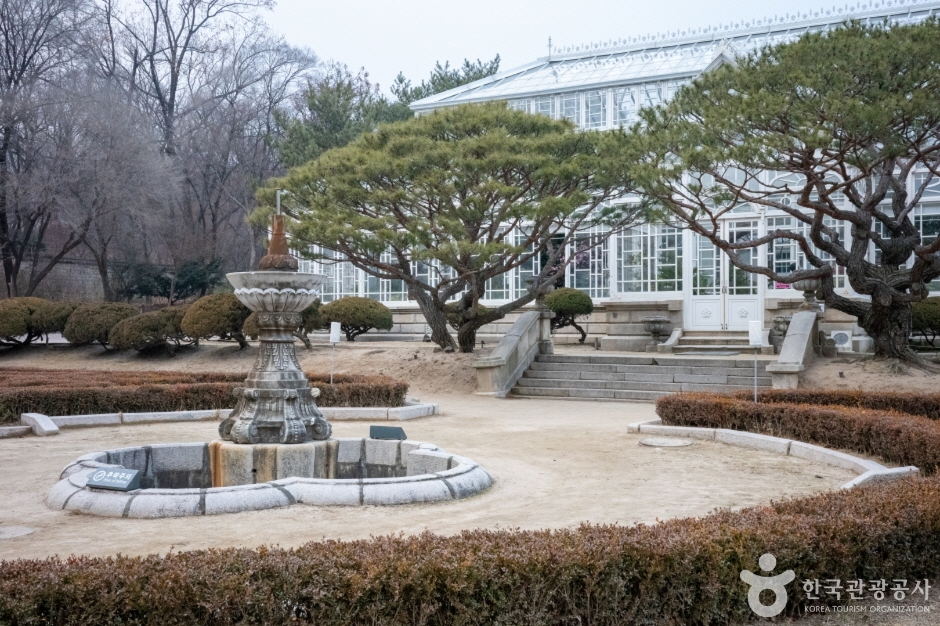
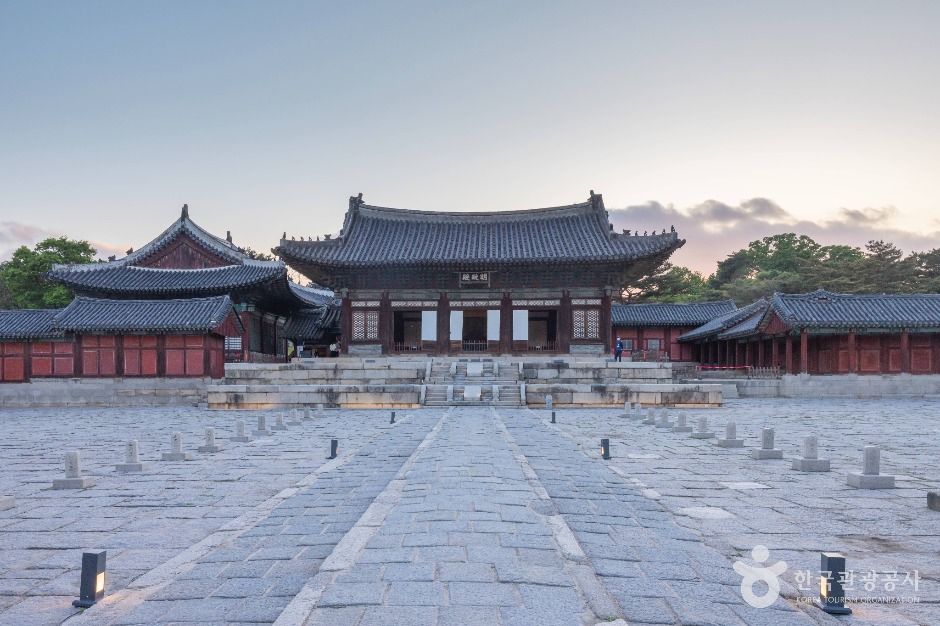
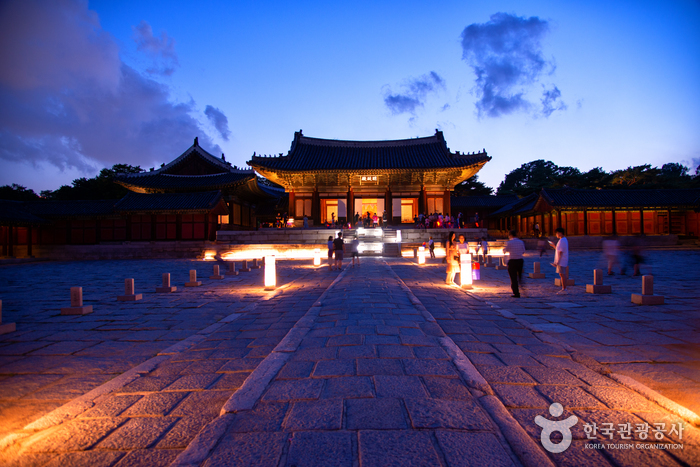
Honghwamun (弘化門) is the main gate of Changgyeonggung Palace. The name 'Honghwa' means 'to expand harmony,' i.e., 'to practice virtue, influence the people, and spread it widely.' Honghwamun was first built during the founding of Changgyeonggung Palace, but was destroyed during the Japanese invasions of Korea (Imjin Waeran) and rebuilt in 1616 (the 8th year of King Gwanghaegun's reign). While the main gate of Changdeokgung Palace (Donhwamun), which is in the same eastern palace precinct, has five front bays, Honghwamun was built on a smaller scale with three bays.
Honghwamun was also a place where the king personally met the people. In 1750 (the 26th year of King Yeongjo's reign), before implementing the Gyunyeokbeop (Uniform Tax Law), King Yeongjo went to Honghwamun to meet with yangban (aristocrats) and commoners to hear their opinions on tax system reform. Additionally, in 1795 (the 19th year of King Jeongjo's reign), to commemorate the 60th birthday of his mother, Lady Hyegyeong (Queen Heonkyeong), King Jeongjo distributed rice to the poor outside Honghwamun. Honghwamun was designated as a Treasure in 1963.
OTA-ready stop
Built into inbound routes and day-tour planning.
Local context
서울특별시 종로구 창경궁로 185 (와룡동)
Travel fit
Attraction · Seoul

![[Early bird] Elysian Gangchon Ski & Snowboard Gugok Ice Wall Tour](/_next/image?url=https%3A%2F%2Fadmin.holidaykr.com%2Fapi%2Fadmin%2Fsystem%2Fbasic-settings%2Ffavicon%3Fpath%3D%252Fuploads%252Fproducts%252Fthumbs%252F750_1792085658746_file1.webp&w=3840&q=75)