Destination briefing
Why travelers stop here
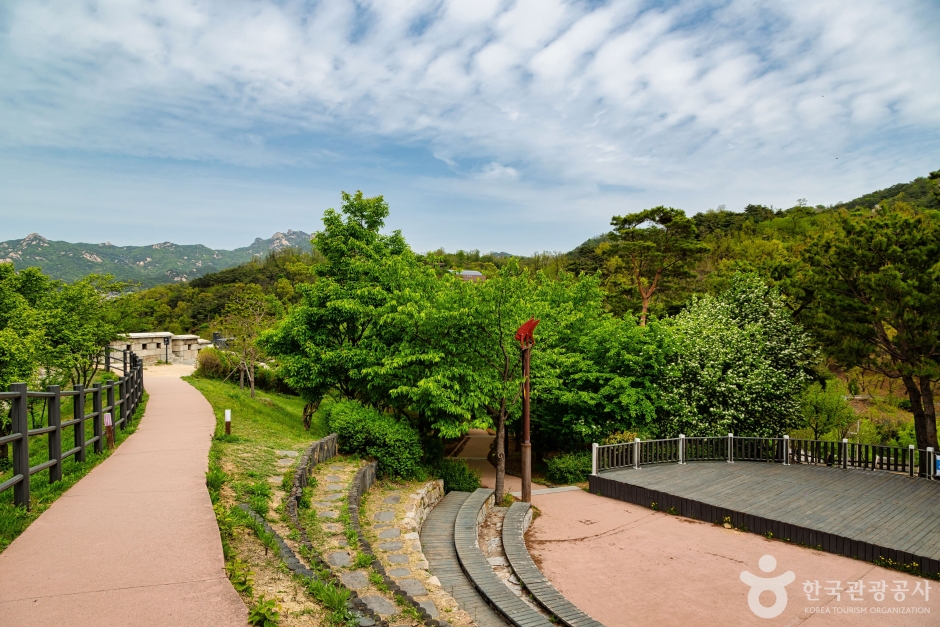
Seoul Fortress had four main gates (四大門) in the east, west, south, and north, and four small gates (四小門) in between. Changuimun is the north small gate (北小門) located between the west main gate and the north main gate, meaning 'to reveal what is right.' However, Changuimun was never called the north small gate; it has been known by the nickname 'Jahamun (紫霞門),' taken from the name of the valley here.
In 1413 (the 13th year of King Taejong's reign), geomancer Choi Yang-seon advised that 'Changuimun and Sukjeongmun are like the two arms of Gyeongbokgung Palace, so roads should not be opened to harm the earth vein.' This advice was accepted, and both gates were closed, with pine trees planted to prohibit passage. However, in 1422 (the 4th year of King Sejong's reign), it was allowed to be used as a passage for soldiers. Records from the Annals of the Joseon Dynasty show that in 1617 (the 9th year of King Gwanghaegun's reign), the gate was opened for transporting stone materials during palace repairs, suggesting that a road existed even then.
OTA-ready stop
Built into inbound routes and day-tour planning.
Local context
서울특별시 종로구 창의문로 118 (부암동)
Travel fit
Attraction · Seoul




![[Early bird] Elysian Gangchon Ski & Snowboard Gugok Ice Wall Tour](/_next/image?url=https%3A%2F%2Fadmin.holidaykr.com%2Fapi%2Fadmin%2Fsystem%2Fbasic-settings%2Ffavicon%3Fpath%3D%252Fuploads%252Fproducts%252Fthumbs%252F750_1792085658746_file1.webp&w=3840&q=75)