Destination briefing
Why travelers stop here
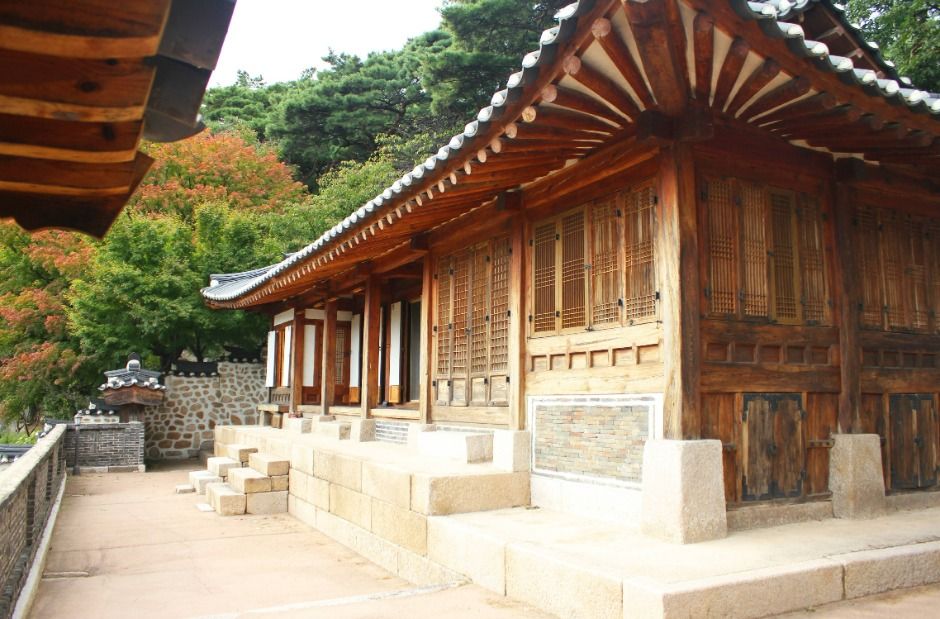
Segeomjeong is said to have been built as a resting place for soldiers during the construction of Bukhansanseong Fortress under King Sukjong of Joseon (r. 1674–1720), or as a pavilion for the entertainment of King Yeonsangun (r. 1494–1506). The name Segeomjeong (洗劍) is said to originate from the fact that during the Injo Restoration of 1623 (the 15th year of King Gwanghaegun), discussions on deposing King Gwanghaegun took place here, and swords were washed and sharpened. This pavilion has a T-shaped floor plan and a hip-and-gable roof (paljakjibung) shaped like the Chinese character '八' (eight) when viewed from the side. It was rebuilt in the 24th year of King Yeongjo (1748), but was destroyed by fire in 1941. It was restored to its original form in 1977 and remains so today. Segeomjeong is a pavilion symbolizing peace, and its design in harmony with nature makes it a valuable resource for experiencing the true essence of Korean architecture.
Address: 244, Segeomjeong-ro, Jongno-gu, Seoul (Sinyeong-dong)
OTA-ready stop
Built into inbound routes and day-tour planning.
Local context
서울특별시 종로구 세검정로 244 (신영동)
Travel fit
Attraction · Seoul

![[Early bird] Elysian Gangchon Ski & Snowboard Gugok Ice Wall Tour](/_next/image?url=https%3A%2F%2Fadmin.holidaykr.com%2Fapi%2Fadmin%2Fsystem%2Fbasic-settings%2Ffavicon%3Fpath%3D%252Fuploads%252Fproducts%252Fthumbs%252F750_1792085658746_file1.webp&w=3840&q=75)